Red-Flag Symptoms After Casting That Require Immediate Medical Attention
After immobilization with POP plaster or a fiberglass orthopedic cast bandage (synthetic cast bandage / fiberglass casting tape), monitoring red-flag symptoms is critical to prevent serious complications. Use this checklist to recognize signs that require immediate medical attention. (Educational content only—does not replace clinical judgment.)
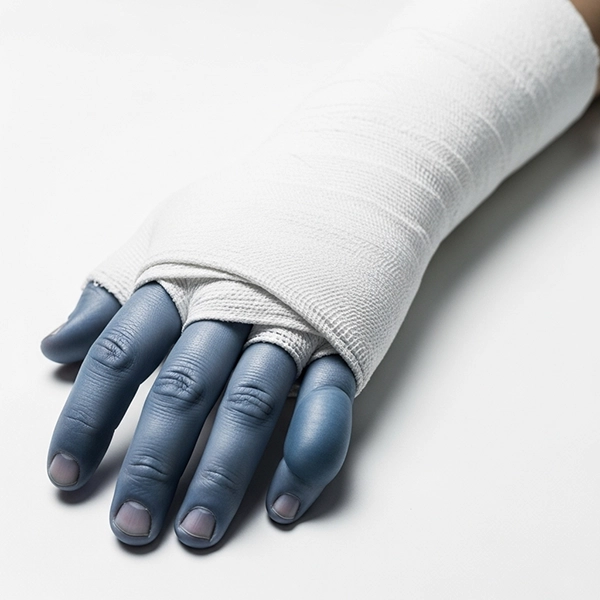
Call Emergency Services Immediately If
- Sudden shortness of breath, chest pain, or coughing blood: possible embolism or cardiopulmonary emergency.
- Fainting/confusion, sudden limb weakness, speech or vision trouble: possible stroke.
- High fever with chills and severe malaise plus foul odor or drainage from under the cast.
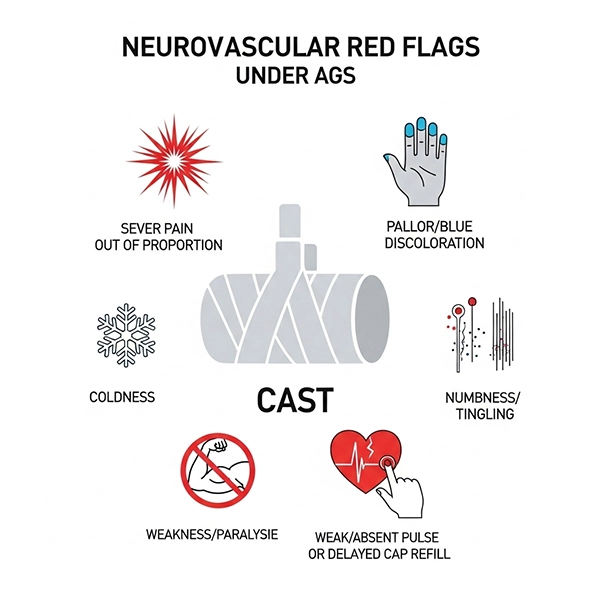
Neurovascular Red Flags Under the Cast
Neurovascular compromise can cause permanent damage. Seek urgent care if you notice:
- Severe, escalating pain not relieved by usual analgesics (pain out of proportion).
- Marked pallor or bluish discoloration and coldness of fingers/toes.
- Numbness/tingling or reduced light-touch sensation.
- Weakness or inability to move digits.
- Absent/weak distal pulse or capillary refill time > 3 seconds.
Worsening Pain & Swelling—Suspect Compartment Syndrome
Relentless pain that does not improve with elevation/analgesia and is associated with tense swelling and numbness may indicate compartment syndrome—a true emergency. Do not insert objects, wet the cast, or self-cut; elevate the limb and seek immediate care.
Infection or Skin Problems
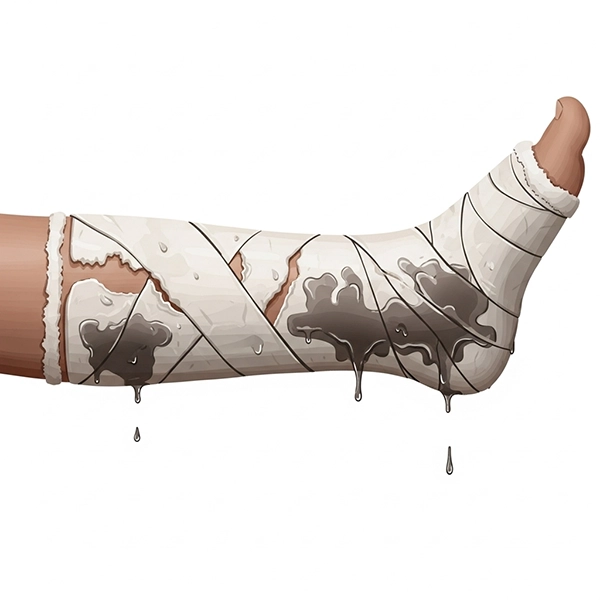
- Foul odor, drainage, warm/wet spots on the cast with fever or burning pain.
- Extensive rash, severe itching, or blisters—possible resin/padding allergy.
Cast-Related Issues
- Wet, soft, or cracked cast compromising immobilization.
- Sharp edges or pressure points risking pressure sores.
- Sudden looseness—the limb moves freely inside the cast.
Deep Vein Thrombosis (DVT) Signs
- New unilateral calf/thigh pain, redness, swelling after lower-limb casting.
- If accompanied by shortness of breath/chest pain, suspect pulmonary embolism—emergency.
Do/Don’t Before You’re Seen
- Elevate the limb to heart level or slightly above; wriggle toes/fingers to aid venous return.
- Apply cold packs over the cast (not inside), wrapped in cloth, 10–15 minutes at a time.
- Do not wet the cast, insert objects, use hot dryers, or cut it yourself.
Conclusion & CTA
Recognizing red flags after casting helps prevent severe complications. If any of these signs occur, contact your clinician or emergency services immediately. For clinical teams seeking high-quality fiberglass casting tapes, see specifications on our product page.