Medical Composites in Modern Healthcare: Applications and Benefits
Medical composites are engineered by combining two or more materials with distinct properties to achieve optimal mechanical strength, biocompatibility, and functionality for therapeutic applications. These materials have found extensive use in orthopedics, dentistry, tissue engineering, and medical implants. This article explores their composition, types, advantages, manufacturing processes, and key applications.

Types of Medical Composites
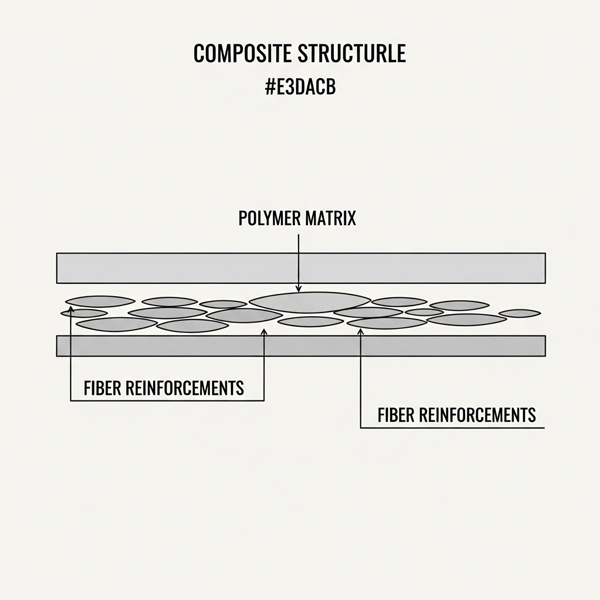
Medical composites typically consist of:
- Polymeric Matrix: Provides structural support; commonly polyethylene, polypropylene, or epoxy resins are used.
- Reinforcements: Glass, carbon, or quartz fibers embedded within the matrix to enhance tensile and flexural strength.
Based on application, they can be categorized as:
- Orthopedic Composites: High-strength bone plates and screws.
- Dental Composites: Tooth restorations with natural appearance and durability.
- Tissue Engineering Scaffolds: Bone and cartilage repair structures.
Advantages of Medical Composites
1. High Strength-to-Weight Ratio: Composites can be up to 50% lighter yet stronger than metals.
2. Biocompatibility: Minimal inflammatory response when implanted.
3. Shape Flexibility: Easily molded into complex geometries at low temperatures.
4. Corrosion and Fatigue Resistance: Unlike metals, composites resist bodily fluids and have long fatigue life.
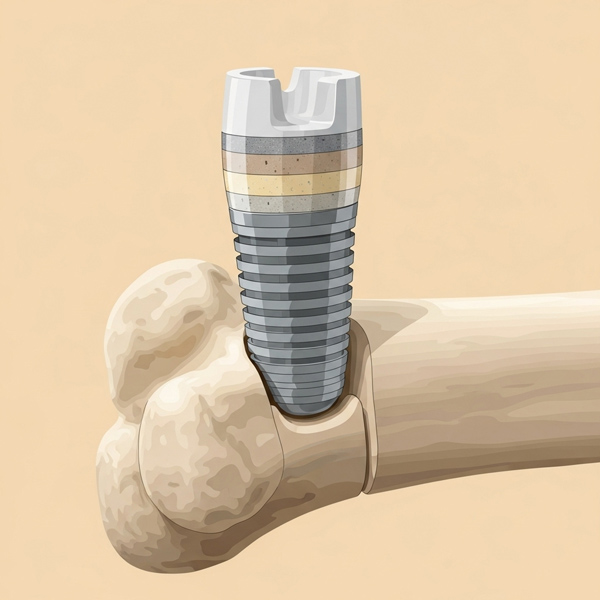
Key Applications in Orthopedics and Surgery
- Bone Plates & Screws: Dynamic load bearing and corrosion resistance.
- Cartilage Scaffolds: Mimic natural tissue mechanics and biochemistry.
- Drug-Delivery Systems: Localized therapeutic release channels within composites.
Manufacturing Process & Quality Control
Production steps include:
- Selection of appropriate resin and fiber based on medical needs
- Uniform fiber dispersion under pressure or vacuum
- Controlled curing under specified temperature and pressure
- Mechanical (tensile, compressive, flexural) and biocompatibility testing
Safety and Storage Guidelines
- Avoid prolonged exposure to acidic or alkaline environments.
- Store at recommended temperature (15–30°C) and humidity (RH < 60%).
- Inspect for cracks or delamination before use.
Conclusion & Call to Action
Medical composites, with their combination of high strength, biocompatibility, and advanced moldability, have revolutionized fracture treatment and tissue regeneration. To explore our international-standard medical composite products, visit the Medical Composites Product Page.