
Fiberglass orthopedic cast bandage is one of the most advanced and popular methods for stabilizing fractures and bone injuries. Due to their lightweight nature, high strength, and water resistance, these bandages have become a suitable alternative to traditional plaster casts. In this article, we explain step-by-step how to properly use fiberglass orthopedic cast bandage so that doctors, orthopedic technicians, and even patients can benefit from this product with full awareness.
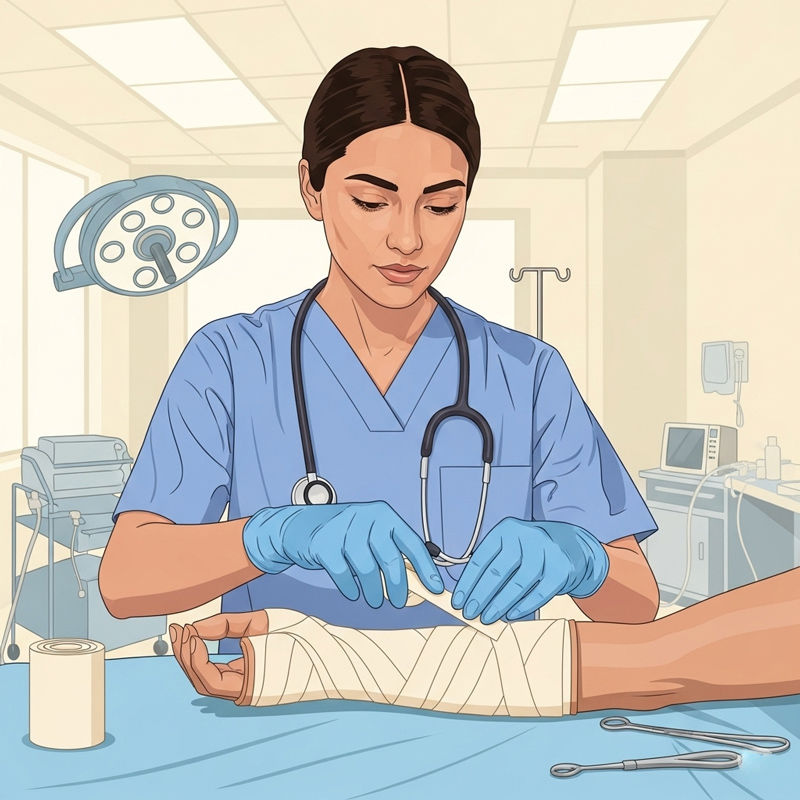
The first step in using fiberglass cast bandage is preparing the injured area. The skin should be clean and dry to ensure optimal adhesion and performance. In case of open wounds or severe swelling, necessary treatments should be applied first.
Fiberglass bandages come in various types and sizes, which should be selected based on the fracture location and limb size. Additionally, different brands like Optima Cast and Vian Cast are available in the market, varying in quality and price.
1. First, wear protective gloves to avoid direct contact of resin with the skin.
2. Tear off a sufficient length of bandage from the roll and prepare to wet it in lukewarm water.
3. Fully immerse the bandage in lukewarm water (about 20-25°C) to activate the resin.
4. Remove the bandage from water and gently squeeze out excess water, but avoid drying it completely.
5. Carefully apply the wet bandage layer by layer over the injured limb, using gentle movements and appropriate pressure.
6. Add more layers if needed to achieve suitable thickness and required strength.
7. Allow the bandage to dry and harden for 5 to 10 minutes. During this time, it is best to keep the limb immobilized.
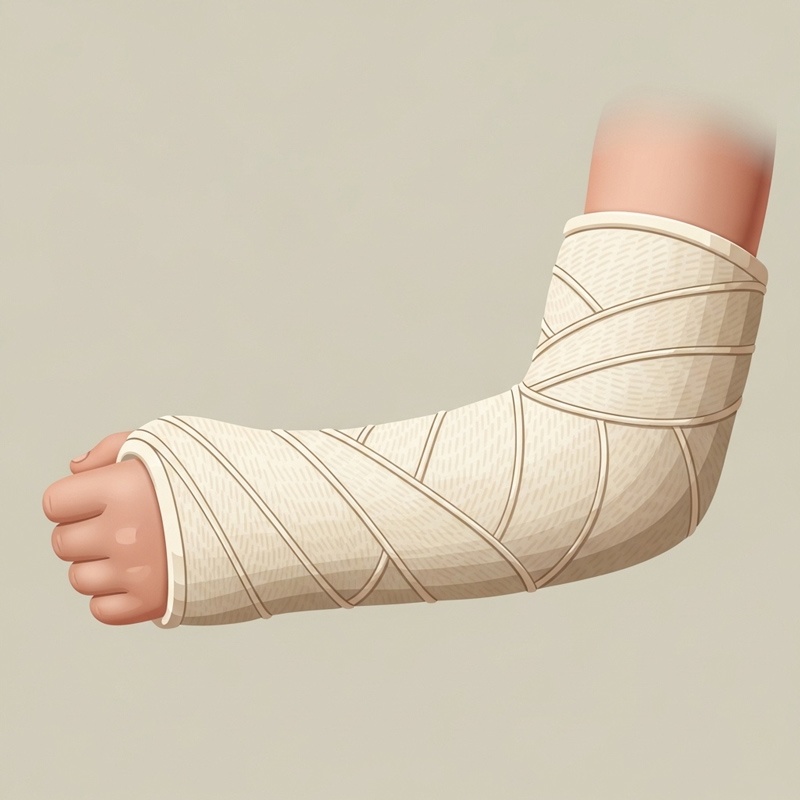
To maintain the quality and longevity of the fiberglass cast bandage, observe the following tips:
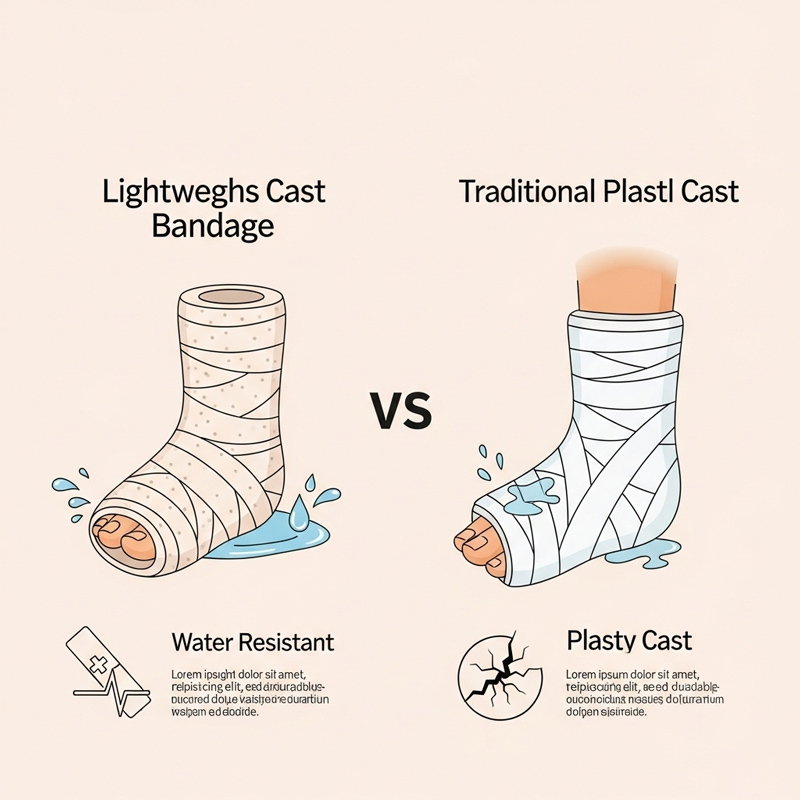
Fiberglass cast bandages have several advantages over plaster of Paris (POP) cast bandages, including:
Proper use of fiberglass orthopedic cast bandage plays a crucial role in fracture healing and stabilization. By following the explained steps and tips, you can achieve the best treatment outcomes. If you are looking for high-quality and export-standard fiberglass cast bandages, our products are ready to serve you at the Fiberglass Cast Bandage Product Page.