
فارسی
Behsoshafa logo

The Future of Antimicrobial & Antifungal Cast Bandages (Materials to Clinical Standards)

Under-cast skin issues—from moisture and dermatitis to bacterial and fungal colonization—remain a concern. Next-generation fiberglass casting tapes enhanced with antimicrobial agents promise lower infection risk and odor, moving immobilization toward smarter, safer care. This article reviews active materials, mechanisms, integration routes, safety/standards, and the road ahead.

Close-up of fiberglass cast structure with embedded antimicrobial and antifungal additives in the resin matrix

Antimicrobial Materials & Mechanisms

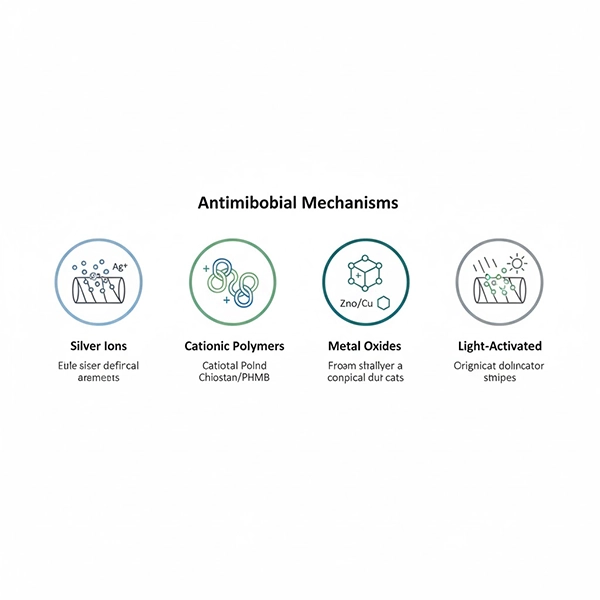
  • Silver nanoparticles (Ag): Ag⁺ release, membrane/enzyme disruption; broad-spectrum against bacteria and fungi.
  • Zinc oxide / Copper: oxidative effects and membrane damage; durable yet dose-dependent safety.
  • Chitosan / PHMB: cationic polymers binding to membranes and inhibiting growth—often favorable biocompatibility.
  • Povidone-iodine & light-activated layers: controlled release or photodynamic action to lower bioburden.

Integration with Fiberglass Casts

  • Antimicrobial padding: closest to skin; must preserve breathability and comfort.
  • Resin-embedded agents: slower release, better durability; validate bond strength and modulus.
  • Surface coatings: targeted protection at edges and hot spots; replaceable/boostable.

Infographic of antimicrobial mechanisms: silver ions, cationic polymers, metal oxides and light-activated approaches

Safety, Durability & Standards

  • Biocompatibility: minimize direct skin contact of actives; comply with ISO 10993.
  • Antimicrobial testing: quantitative reduction via ISO 22196 / ASTM E2149.
  • Service life: maintain efficacy over 4–8 weeks; test after sweat/moisture/soap exposure.
  • Resistance & release: balance efficacy with stewardship via controlled, minimal effective dosing.

Opportunities Ahead

  • Pairing with indicators: combine with moisture/temperature indicators for early alerts plus biocontrol.
  • Targeted bioactive layers: AMP-based or low-risk photocatalytic designs.
  • Data-informed design: tailor material/dose to patient risk, site, and immobilization duration.

Limitations & Clinical Notes

  • Dermal reactions: especially metals; screen sensitive patients.
  • Cost & access: weigh clinical advantage against economics.
  • Clinical judgment: antimicrobials complement—not replace—dry care, ventilation, and follow-ups.

Applied example on limb: fiberglass cast with antimicrobial-treated padding focused on high-risk zones like heel and malleoli

Conclusion & CTA

Antimicrobial/antifungal casts can reduce skin complications when paired with sound safety and care practices. For case-by-case evaluation and integration options (materials, coatings, embedding), contact us.