
فارسی
Behsoshafa logo

Radiolucency & Imaging Compatibility of Fiberglass Cast Bandages

A key advantage of fiberglass casting bandages over POP casts is superior radiolucency and broader imaging compatibility. Better X-ray transparency allows clinicians to monitor reduction quality, alignment, and healing without removing the cast. This guide explains the material science behind fiberglass radiolucency, performance in X-ray/CT/MRI, practical tips to minimize artifacts, and critical differences versus POP.
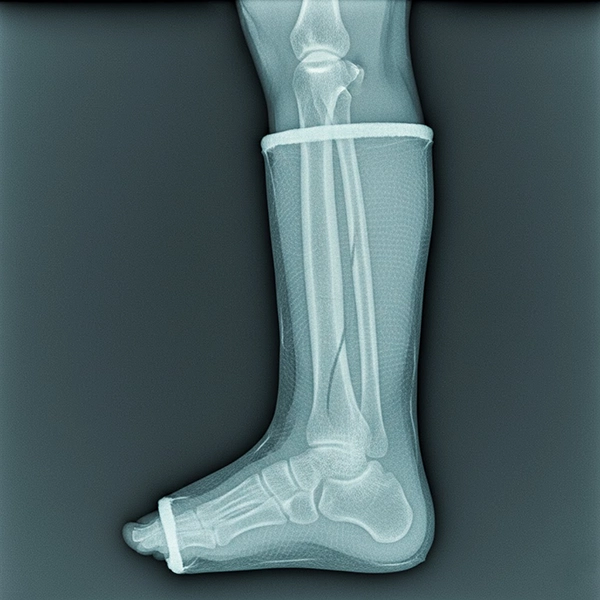

Radiograph of a limb immobilized with a fiberglass cast showing high bony detail through a radiolucent shell

What radiolucency means—and why it matters

Radiolucency is a material’s ability to transmit X-rays with minimal shadowing. The more radiolucent the cast, the clearer the bone detail and fracture lines appear. Compared with POP, fiberglass typically casts a lighter shadow, leading to sharper images, fewer repeat exposures, and more confident follow-up assessments.

Material structure and imaging behavior

  • Woven glass fibers: a porous, stable fiber matrix supports X-ray penetration while limiting structural artifacts.
  • Polyurethane/curable resins: after water activation and set, the cured layer remains dimensionally stable yet relatively low-density, helping maintain clarity.
  • Undercast padding: high-quality, wrinkle-free padding reduces pseudo-lines and pressure shadows.

Modality-by-modality performance

X-ray: Fiberglass generally yields crisper views of fracture edges, hardware, and early callus than POP. Uniform layup and clean edge finishing reduce stray lines.

CT: Metal hardware is the main source of artifacts; fiberglass itself contributes minimally compared with POP. Avoid trapped air or padding folds to reduce minor streaks or mottling.

MRI: Glass fibers and non-metallic resins are typically MRI-compatible, with no intrinsic ferromagnetic risk or metal artifacts. As always, inform the MRI unit about the cast type and any internal hardware.
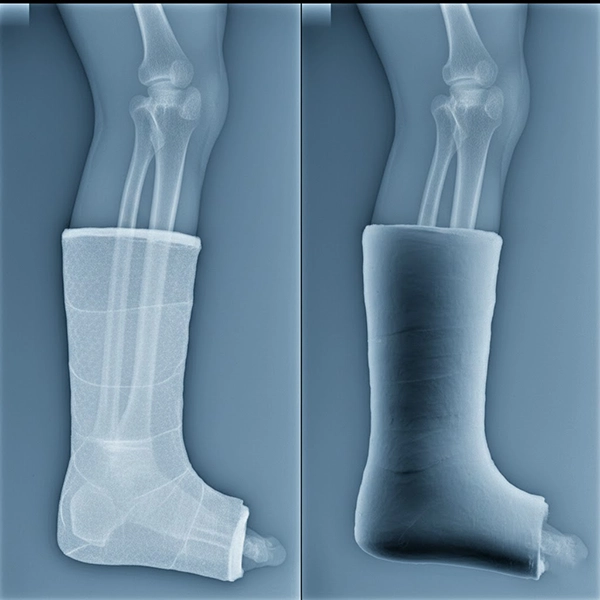

Side-by-side imaging comparison: higher radiolucency of fiberglass versus denser POP cast shadow

Fiberglass vs. POP: imaging implications

  • Fracture visibility: fiberglass → better edge definition and early callus visibility; POP → more masking.
  • Repeat imaging: often reduced with fiberglass thanks to higher first-shot clarity.
  • Follow-up under immobilization: clearer alignment checks without cast removal, lowering re-manipulation risk.

Technique tips to minimize artifacts

  1. Uniform padding: eliminate wrinkles; reinforce prominences.
  2. 30–50% overlap: maintain even tension; avoid steps and gaps.
  3. Soft edge finishing: use moleskin/fabric tape to blunt sharp edges that create pseudo-shadows.
  4. Active cool-air drying: moisture pockets cause mottled artifacts; ensure thorough cool-air drying post-molding.

Color vs. resin quality

Cast color rarely affects radiolucency. What matters is resin quality and final density after cure. Well-controlled resin systems provide structural strength without excessive radiographic shadowing.
Patient-centric imaging notes

  • Positioning: align the limb to minimize cast overlap across key anatomic landmarks.
  • Motion control: especially in pediatrics—stable positioning reduces motion artifacts.
  • Counseling: most fiberglass casts don’t need removal for routine imaging unless the provider requests otherwise.

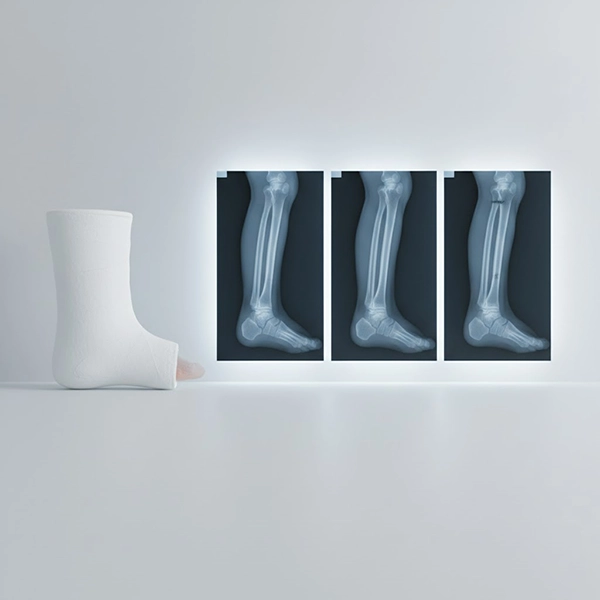
Clinical layout showing radiology follow-up workflow with radiolucent fiberglass cast and annotated films

Conclusion & CTA

With superior radiolucency and broad imaging compatibility, fiberglass casts enable precise follow-up while maintaining immobilization. Explore Optima Cast and Vian Cast specifications and available sizes on our product page.