
Proper storage of fiberglass orthopedic cast bandages is essential to maintain their quality and effectiveness. Environmental conditions, packaging handling, and expiration date adherence are key factors that determine the lifespan and performance of these bandages. Awareness of these factors helps consumers and healthcare professionals achieve the best therapeutic and economic outcomes. This article provides a detailed overview of the storage conditions, handling practices, and expiration duration for fiberglass cast bandages.
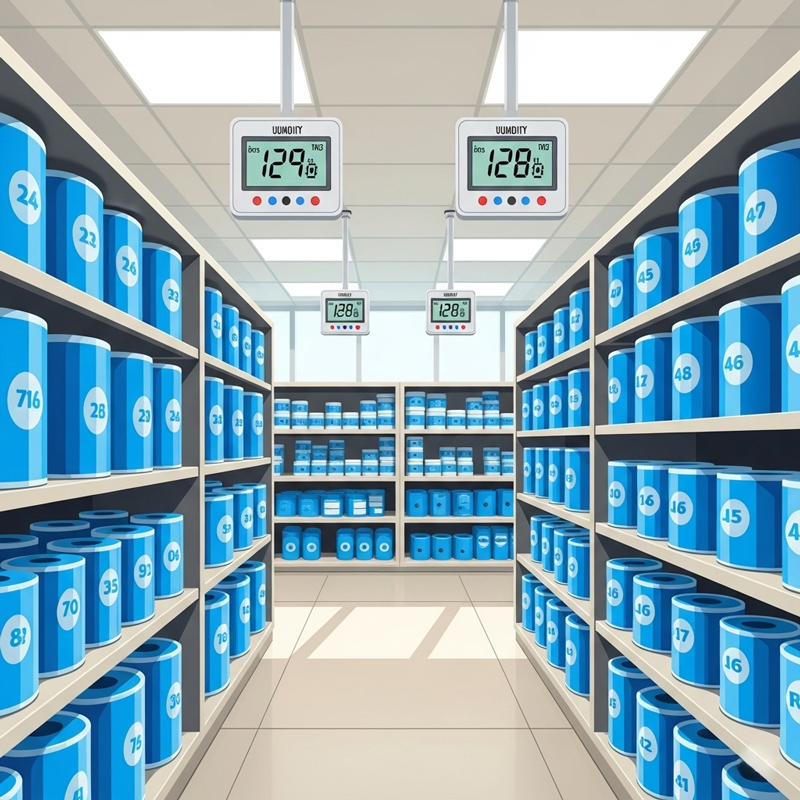
The optimal temperature range for storing fiberglass orthopedic cast bandages is between 15 and 30 degrees Celsius, preventing extreme temperature fluctuations. Elevated temperatures can degrade the resin in the bandages, reducing their adhesive properties and strength. Relative humidity should remain below 60%, as excessive moisture accelerates material degradation and compromises mechanical integrity.
Additionally, bandages should be stored in dry, cool areas away from direct sunlight. Exposure to sunlight triggers unwanted chemical reactions and discoloration, affecting quality. Keeping bandages free from dust and environmental contaminants prevents particulate infiltration into the bandage fibers.
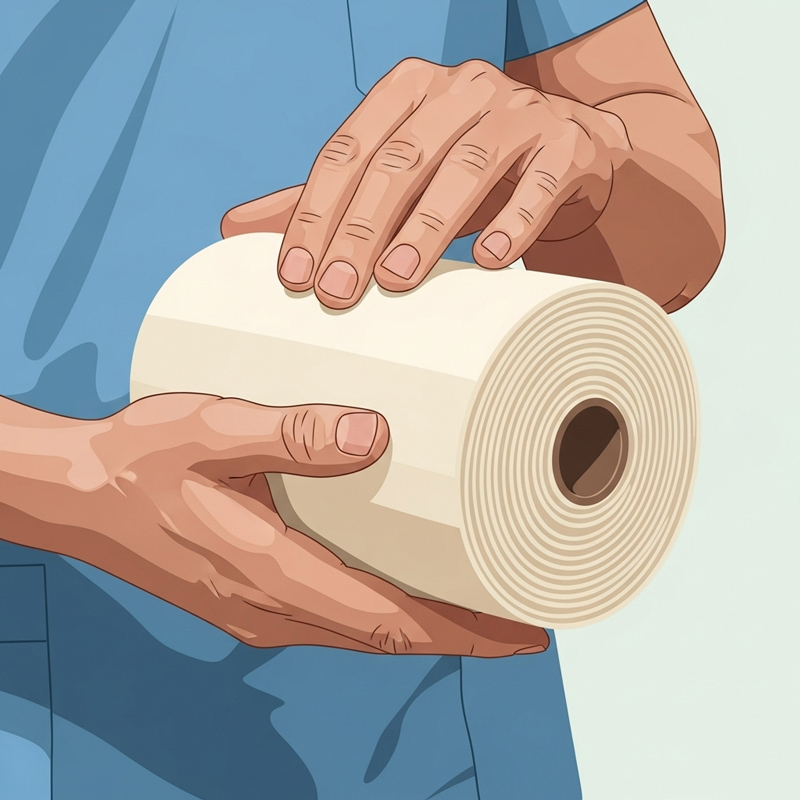
Before opening any package, it is critical to ensure the rolls are soft and flexible. Hard rolls indicate product drying or damage, which is not suitable for clinical use due to potential application difficulties and reduced strength.
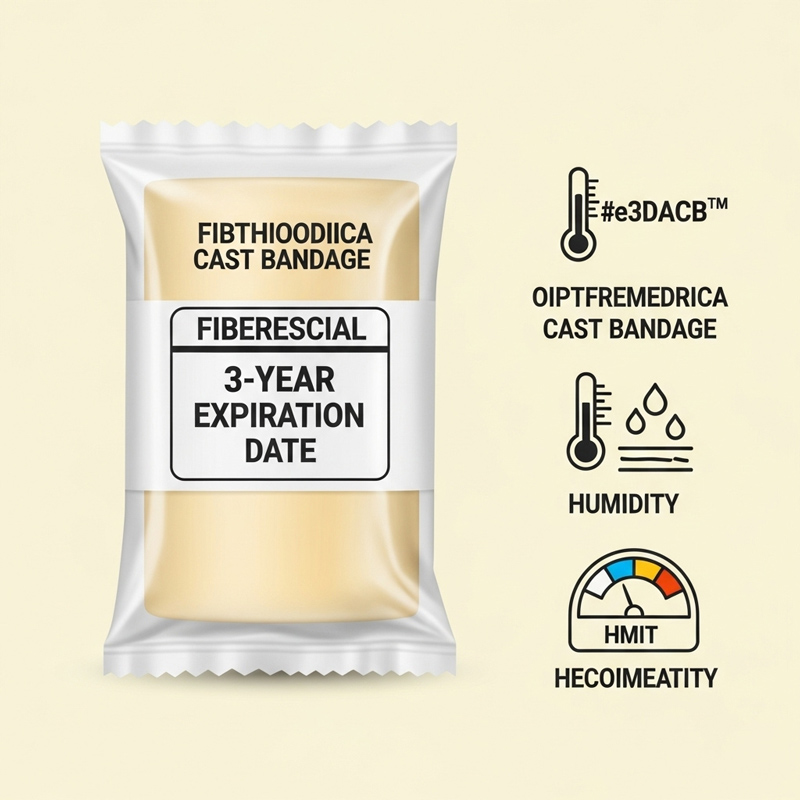
Fiberglass orthopedic cast bandages have a defined expiration date, typically three years from the manufacturing date. This period represents the guaranteed shelf life and product quality. Beyond this time, resin properties and bandage structure may deteriorate significantly, compromising performance.
Using expired bandages can lead to issues such as reduced strength, poor adhesion, and premature failure, posing risks to patients and medical practitioners. Therefore, always verify the production and expiration dates before use.
If any changes are observed in the bandage's appearance—such as discoloration, excessive brittleness, or unusual odors—avoid usage and consult the manufacturer or a medical professional. These signs often indicate product degradation that may negatively impact treatment outcomes.
To further extend the lifespan of fiberglass bandages, store them in sealed containers in appropriate environments to protect from dust and moisture ingress. Avoid applying excessive pressure or impacts to the rolls during transportation and handling.
For long-term storage, maintain recommended temperature and humidity conditions. In case of cracks or damages, refrain from DIY repairs and seek advice from a medical professional or manufacturer.
Adhering to proper storage conditions including temperature between 15 and 30 degrees Celsius, humidity below 60%, ensuring roll softness before opening, and respecting the three-year expiration date are critical to preserving the quality and performance of fiberglass orthopedic cast bandages. Following these guidelines not only prolongs product life but also ensures the bandages are in optimal condition to support fracture stabilization and facilitate patient recovery.