
فارسی
Behsoshafa logo

Export Guide for Fiberglass Cast Tapes: Middle East Requirements & Transport Packaging

Entering Middle Eastern markets with fiberglass casting tapes requires more than product quality: regulatory alignment, bilingual labeling, moisture-resistant transport packaging, and complete trade documents are essential. This guide provides a practical framework to prepare compliant packs, mitigate heat/humidity risks, and ship efficiently.
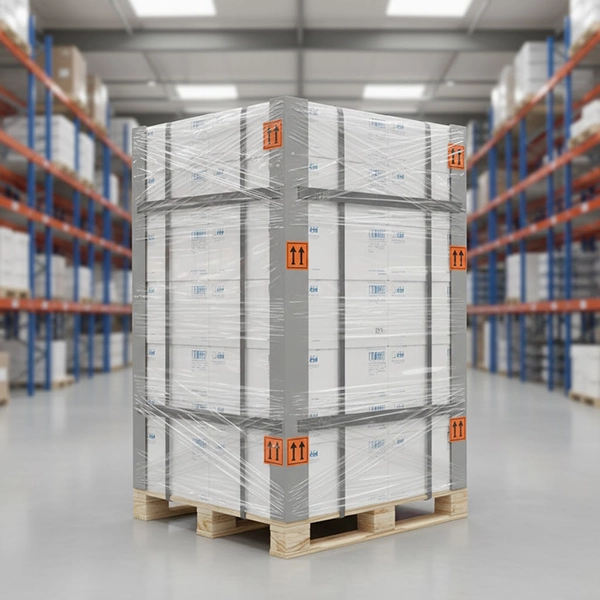
Palletized cartons of fiberglass casting tapes with corner protectors, stretch wrap and clear handling labels; export-ready

1) Compliance Roadmap

  • QMS & certificates: maintain a recognized medical QMS (e.g., ISO 13485) and valid performance/safety test reports to build buyer confidence.
  • Local labeling: many destinations expect Arabic/English labels including product name, size, LOT/DOM/EXP, storage conditions, single-use symbol, and manufacturer/representative details. Pre-approve label layouts with your importer.
  • UDI/barcode: enable traceability across the supply chain if required by customers or health systems.
  • IFU: include a concise bilingual IFU in the pack and reference the full online version; state activation water, molding window, skin precautions, and storage.

2) Trade & Customs Documents

  • Commercial Invoice & Packing List: precise item descriptions, packaging codes, net/gross weights, and carton dimensions.
  • Certificate of Origin: required for preferential tariffs or destination customs procedures.
  • Pre-shipment inspection (if requested): some buyers ask for AQL sampling before loading—schedule early.
  • HS code: confirm the exact tariff code with a customs broker to avoid clearance delays.
  • Incoterms: clearly define delivery terms (FCA, CPT, CIP, DAP) and insurance responsibilities.

3) Transport Packaging for Hot & Humid Climates

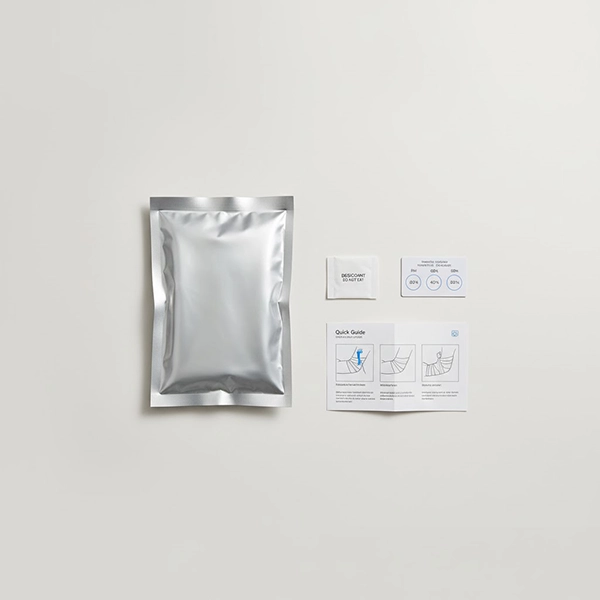
  • Unit pack: multilayer foil pouch with very low MVTR and uniform heat seals; LOT/EXP printed clearly; desiccant placed in the secondary carton (no direct contact).
  • Shipper carton: double-wall board (≥ E/B flute) with standard handling marks and ventilation gaps between stacks.
  • Palletization: cross-stacking, moisture barrier sheet under the stack, robust stretch wrap, PP strapping, and corner boards; avoid overhang.
  • Humidity/temperature control: humidity indicator cards on master cartons and optional temp/RH data loggers for long routes.

Export inner pack contents: heat-sealed foil pouch, desiccant, bilingual quick guide, and humidity indicator card

4) Pre-Shipment Quality Controls

  • Visual checks: verify roll softness, pouch seal integrity, and legible LOT/EXP prints on sampled units.
  • Quick bench test: confirm gel time and moldability at ambient warehouse temperature.
  • Label conformance: final check on bilingual content and symbols before loading.

5) Shipping Strategy & Risk Management

  • Route & timing: in hot months, prefer shorter routes or faster services; factor in border dwell times for land routes.
  • Container choice: clean, dry containers; avoid placing pallets flush against heated walls during summer.
  • Cargo insurance: include coverage for thermal/humidity exposure and mechanical damage.

6) Destination Receiving & Inventory Rotation

  • Inbound checks: reconcile counts/weights/cartons with the packing list; document any visible damage.
  • Storage: 15–30 °C and RH <60%; operate FEFO (first-expiry-first-out) in the warehouse.
  • Post-sale support: maintain a feedback channel for field quality and batch traceability.

Destination inbound QA: scanning barcodes, verifying humidity indicator cards, logging data logger readings, and applying FEFO

Conclusion & CTA

With complete documentation, bilingual labeling, moisture-resistant transport packs, and stage-gate quality checks, exporting fiberglass casting tapes to Middle Eastern markets becomes predictable and low-risk. For data sheets and customizable packing options, visit our product page.