
Immobilizing injured limbs is among the oldest treatments in medicine. From wooden splints and stiffened cloth in antiquity to nineteenth-century plaster-of-Paris (POP) and today’s synthetic cast bandage solutions such as fiberglass casting tape, the evolution of casting has consistently aimed for lighter weight, higher durability, better skin comfort, and superior radiographic follow-up. This article highlights the major milestones and explains why modern fiberglass and resin casts have become standard of care.
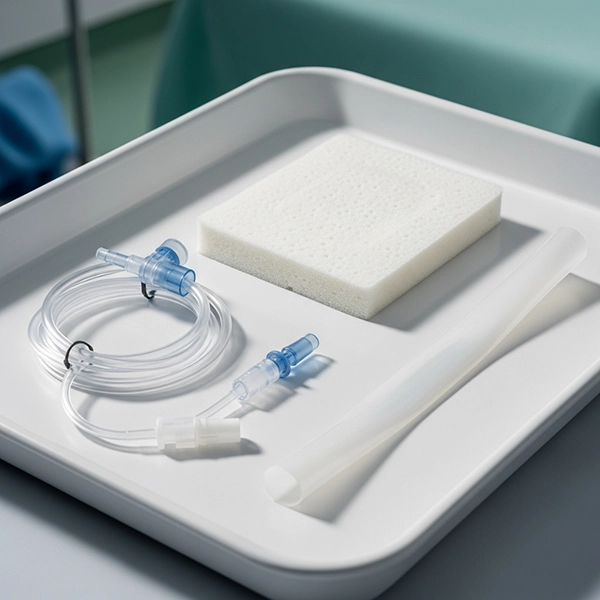

Archaeological and medical records show early immobilization with boards, reeds, and cloth stiffened by natural resins and starches. The core principle—preventing motion at the fracture site to allow healing—was established long before modern materials existed, though early devices were heavy and poorly ventilated.
While effective for their time, these methods limited hygiene and hindered assessment of bone healing—pressing the need for lighter, cleaner, and more radiolucent solutions.
With advances in European surgery, rigid dressings based on flour and starch gave way to POP casts. Standardized plaster bandages made casting faster and more reproducible, and POP dominated for decades. Yet POP’s drawbacks—weight, dust, low water tolerance, and reduced radiographic transparency—motivated the search for better materials.
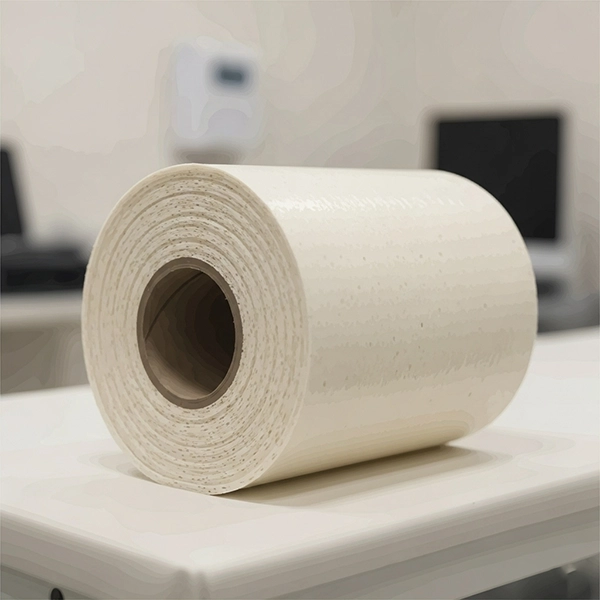
Late-20th-century clinical practice embraced fiberglass cast bandages and water-activated resin tapes. These synthetic cast bandages deliver:
Low-temperature thermoplastic splints also emerged for short-term immobilization and rehab. Today’s market offers export-quality fiberglass casting tapes to meet international standards.
Next-gen options include reheatable thermoplastic splints and 3D-printed lattice casts that provide lightweight strength and exceptional ventilation. Some concepts integrate sensors or local airflow. While not yet ubiquitous, they point toward more personalized, patient-friendly immobilization.
Regardless of material, safe casting still hinges on anatomy-appropriate padding, relief over bony prominences, edema control, and skin care. Storage matters for synthetic tapes: keep at 15–30°C and <60% RH, away from sunlight; rolls should feel soft before opening; always respect expiry dates to ensure consistent performance.
From primitive splints to fiberglass casting tape, casting has progressed toward lighter, stronger, and more radiology-friendly care. If you need high-quality orthopedic cast bandages for clinical use, explore our synthetic fiberglass solutions. Visit the product page for specifications and expert guidance.