
Fiberglass orthopedic cast bandages are widely used for fracture management and immobilization of musculoskeletal injuries. Despite their numerous benefits, certain conditions contraindicate or limit their safe application. Understanding these conditions helps both patients and medical practitioners avoid serious complications and enhances therapeutic outcomes. This article comprehensively reviews these contraindications and associated precautions.

Fiberglass cast bandages should be avoided or used with extreme caution in the following scenarios:
Fiberglass bandages contain resins and chemicals that may trigger allergic reactions in some individuals. Symptoms of an allergic reaction include skin redness, intense itching, blistering, or even systemic responses.
Due to the closed environment created by casts, bacterial or fungal growth may intensify, worsening active infections or impeding wound healing. Thus, fiberglass bandages are contraindicated in these situations.
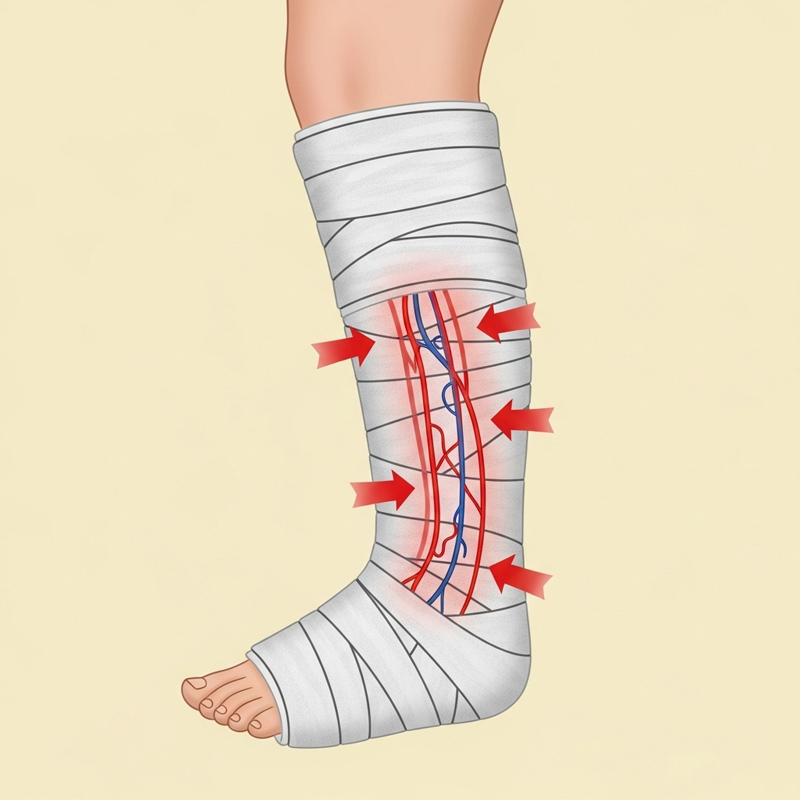
Patients with significant vascular conditions, such as advanced diabetes or peripheral vascular diseases, may experience further circulation impairment under fiberglass casts, increasing the risk of pressure ulcers or tissue necrosis.
Complex fractures requiring multiple surgical procedures or constant monitoring are better managed with removable splints or casts. Due to their rigidity, fiberglass bandages are not ideal in these circumstances.
Conditions such as tendon or nerve repair requiring frequent inspection of the limb are not suited for fiberglass casts due to their difficult removal and reapplication.
When applying fiberglass cast bandages, careful adherence to the following precautions is essential:
If symptoms of sensitivity or circulatory issues occur, immediate cast removal and appropriate intervention by healthcare professionals are necessary. Changes in skin color, sensation, or limb temperature should also be urgently evaluated.

Although fiberglass orthopedic cast bandages are highly effective for fracture management, awareness of their contraindications and strict adherence to precautionary measures is critical. Always consult with healthcare providers and thoroughly evaluate patient conditions prior to using fiberglass bandages for optimal therapeutic outcomes.